
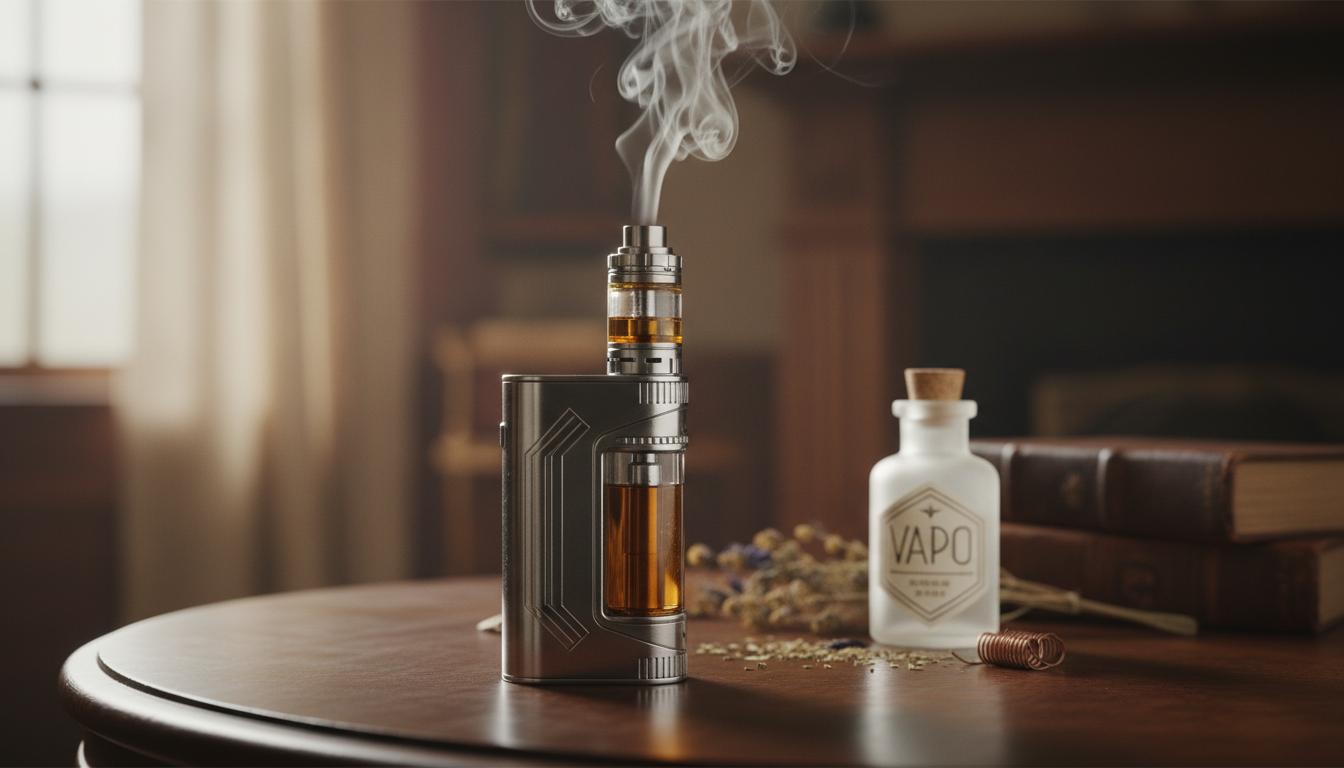
If you live in Aotearoa, you’ve seen a vapo in the wild—on a café table, at a bus stop, or behind the counter of a specialist vape store. Maybe you’re thinking about switching from cigarettes. Maybe you’re just curious. This guide explains what a vapo is, how it works, the main types, the pros and cons, and how to pick (and use) one wisely under New Zealand’s rules.
You’ll get clear, simple answers in plain English, plus a practical checklist to help you buy and use a device with confidence.
What is
“Vapo” is shorthand for vape or vaporiser: a battery-powered device that heats a liquid (or, in some models, dry herb) to create an inhalable vapour. Most people in New Zealand use a vapo as a smoke-free alternative to cigarettes. It’s not risk-free, but it can be a lower-harm option for adult smokers who fully switch.
In everyday Kiwi use, vapo can also refer to stores or brands that sell vape gear. VAPO, for example, is a well-known New Zealand retailer and brand. In this article, “vapo” means the device category in general, not any single company.
Vaping products in New Zealand are regulated. They’re R18 (adults only), they carry health warnings, and there are restrictions on flavours, packaging, and promotion. General retailers can sell a limited set of flavours, while specialist vape retailers are allowed a wider range. Always buy from a reputable NZ retailer and assume the same courtesies you would with smoking: ask before you vape and follow venue rules.
How it works
A typical vapo for e‑liquid has four main parts: a battery, a small chip that controls power, a tank or pod that holds liquid, and a coil (a tiny metal heater wrapped in wicking material). When you puff, the coil warms the liquid and turns it into an aerosol that you inhale.
Modern devices use sensors to detect a draw or a press of a button. Power settings fine‑tune the heat. Too little heat and you get thin vapour; too much and the liquid tastes burnt. Most beginner devices set this for you.
E‑liquid (often called vape juice) is usually a mix of propylene glycol (PG), vegetable glycerine (VG), flavourings, and—if you choose—nicotine. PG carries flavour and gives throat hit; VG makes denser vapour. Nicotine comes in two styles: “freebase” (common in larger, airier devices) and “nicotine salts” (smoother at higher strengths, common in pods). Either way, the vapo heats the liquid; nothing is burned.
Some vapos are built for dry herb. These use conduction or convection heating to release vapour without combustion. They’re niche compared with e‑liquid vapes and have different care needs.
Types / examples
Pod systems
Small, pocketable devices with replaceable or refillable pods. Simple, discreet, and popular with beginners and commuters. Many are draw‑activated—no buttons to remember.
- Strengths: easy to use, low maintenance, consistent nicotine delivery
- Watch‑outs: smaller battery, pods cost more per mL than bottled e‑liquid
Disposable vapes
Single‑use devices prefilled with e‑liquid. Convenience is the selling point: open, puff, bin. Regulations in New Zealand are tightening around disposables, including packaging and safety features. Consider the waste and cost before choosing this route.
- Strengths: no setup, no charging (in some), straightforward for trialling
- Watch‑outs: higher waste, higher ongoing price, flavour and sale restrictions apply
Vape pens
Slim, pen‑shaped vapos with a small tank or pod and a slightly larger battery than tiny pods. A middle ground between simplicity and flexibility.
- Strengths: light, inexpensive, often refillable
- Watch‑outs: coils need replacing, performance varies by brand
Box mods and sub‑ohm kits
Larger devices with replaceable coils and adjustable power. They produce more vapour and often use lower‑strength, high‑VG e‑liquids. Suited to hobbyists or those who want customisation.
- Strengths: powerful, custom settings, long battery life
- Watch‑outs: steeper learning curve, more e‑liquid use, bulkier
Dry herb vaporizers
Designed for loose, legal botanical material. They heat rather than burn. These are separate from e‑liquid vapos and typically cost more upfront.
- Strengths: no combustion, temperature control
- Watch‑outs: specific cleaning routine, not interchangeable with e‑liquid pods
| Vapo type | Ease of use | Ongoing cost | Maintenance | Vapour output | Best for |
|---|---|---|---|---|---|
| Pod system | Very easy | Medium | Low (swap pods/coils) | Moderate | New vapers, commuters |
| Disposable | Instant | High (per puff) | None | Low to moderate | Short trials, backups |
| Vape pen | Easy | Low to medium | Low | Moderate | Budget‑minded users |
| Box mod/sub‑ohm | Intermediate | Low (bottled e‑liquid) | Medium (coils, settings) | High | Experienced users, hobbyists |
| Dry herb vaporizer | Intermediate | Medium | Medium (regular cleaning) | Low to moderate | Botanical users |
Pros and cons
Every vapo choice is a trade‑off. Here’s the balanced view to help you decide.
Potential pros
- No combustion: no tar or smoke, and usually less lingering smell than cigarettes
- Can support adult smokers to switch, especially with the right nicotine level and routine
- Wide range of devices and flavours (with rules) to tailor the experience
- Often cheaper over time than smoking, particularly with refillable devices
- No ash or open flame; easier to be considerate in shared spaces
Potential cons
- Not risk‑free; nicotine is addictive and some people experience side effects like throat irritation
- Rules limit where you can vape; many indoor spaces prohibit it
- Environmental impact, especially from disposable vapes and used pods
- Device and battery safety requires basic care and charging habits
- Choice overload; poor matches (wrong nicotine type or device) can lead to relapse to smoking
How to use or choose
Step‑by‑step: your first week with a vapo
- Set your goal. If you smoke, decide whether you’ll fully switch or taper. Write it down.
- Pick a device that matches your style. For simplicity, a pod system is a safe starting point.
- Choose nicotine type wisely. If you want a smoother inhale at lower power, look for nicotine salt options; for airier, bigger clouds, freebase liquids are common.
- Start with familiar flavours. If you usually smoked menthol, try menthol or mint. Keep it simple at first.
- Prime the coil. If your device is refillable, let the liquid soak into the coil for 5–10 minutes before the first puff to avoid a burnt taste.
- Take gentle, steady puffs. Mouth‑to‑lung (sip, then inhale) feels most like a cigarette. Avoid hard, fast pulls that flood the coil.
- Sip water. Vaping can feel drying; hydration helps.
- Track triggers. When a strong craving hits, use the vapo for a few minutes, then pause. If cravings persist, reassess nicotine strength or device.
- Charge safely. Use the supplied cable, avoid overnight charging on soft surfaces, and keep the device out of heat.
- Review after a week. If you’re unsatisfied, ask a specialist vape retailer for device or liquid adjustments.
How to choose the right vapo in New Zealand
- Match the draw: If you prefer a tight, cigarette‑like puff, look for MTL (mouth‑to‑lung) pods. If you like airy clouds, DTL (direct‑to‑lung) kits fit better.
- Consider nicotine delivery: Nicotine salt in small pods tends to feel smooth and efficient; freebase in larger devices suits lower strengths and bigger vapour.
- Check retailer credibility: Buy from established NZ retailers or verified specialist vape stores. Avoid unknown imports and counterfeit coils.
- Look for NZ‑compliant packaging: Health warnings, child‑safety features, and plain flavour descriptions are part of the rules.
- Think total cost: Refillable pods and bottled e‑liquid usually beat disposables on cost and waste.
- Battery life matters: If you’re out all day, choose a higher‑capacity device or carry a spare pod.
- Flavour access: General retailers have limited flavours; specialist vape retailers offer a wider range within NZ regulations.
- After‑sales support: Favour brands with easy‑to‑find coils and accessible customer service in New Zealand.
Care and safety tips
- Store e‑liquid and devices out of reach of children and pets. Nicotine can be harmful if swallowed.
- Keep the device upright to reduce leaks. Wipe contacts if condensation builds up.
- Replace pods/coils when flavour drops or tastes burnt.
- Use the charger recommended for your device. Don’t leave charging unattended.
- Dispose of batteries, pods, and disposables responsibly. Ask your retailer or council about e‑waste options.
FAQ
Is a vapo legal in New Zealand?
Yes—for adults 18 and over. Vaping products are regulated, carry health warnings, and can’t be sold to minors. There are strict rules on packaging, flavours, advertising, and where you can vape.
Where can I vape?
Many indoor public places and workplaces do not allow vaping. Public transport bans it. Always follow venue policies and local rules, and respect smoke‑free and vape‑free signs.
Will a vapo help me quit smoking?
Many adult smokers find a vapo helpful when fully switching, especially with the right nicotine level and support. For personalised help, contact Quitline on 0800 778 778 or talk to a health professional.
What’s in e‑liquid?
Typically propylene glycol (PG), vegetable glycerine (VG), food‑grade flavourings, and optional nicotine. Quality products list ingredients on the label.
Nicotine salts vs freebase—what’s the difference?
Nicotine salts feel smoother at higher strengths in low‑power pods, which can help with early cravings. Freebase is more common in higher‑power, airy devices using lower nicotine strengths. Both deliver nicotine; the best choice depends on your device and preference.
Are disposables being restricted?
New Zealand has tightened rules on packaging, safety features, and how vaping products are sold and described. Keep an eye on government updates and buy from reputable NZ retailers for compliant products.
Can I take a vapo on a plane?
Yes, but keep it in your carry‑on, not checked luggage. Remove pods or tanks if asked, don’t charge on the aircraft, and follow airline policies about use and carriage of batteries and e‑liquids.
Why is my vapo leaking?
Common causes include a worn coil, loose pod or tank seals, extreme temperature changes, or hard, fast puffs that flood the coil. Replace the coil, check seals, and take slower puffs.
How much does vaping cost compared to smoking?
Upfront, buying a device costs more than a pack of cigarettes. Over time, refillable vapos with bottled e‑liquid are usually cheaper than smoking or relying on disposables. Your actual spend depends on device type, how often you vape, and the e‑liquid you use.
Is second‑hand vapour a concern?
Vapour generally contains fewer harmful chemicals than cigarette smoke, but it isn’t just water. Be considerate around others, especially children, and follow vape‑free rules.
How do I make sure a product is legit?
Buy from trusted NZ retailers, check for proper warnings and batch details on the box, and avoid deals that look too good to be true. Ask whether the product is notified for sale in New Zealand under current regulations.
The bottom line
A vapo can be a practical, lower‑harm alternative for adult smokers who switch completely, but it isn’t risk‑free and it isn’t for minors. Choose a device that matches your style, follow New Zealand’s rules, and buy from reputable local retailers. If your goal is to quit smoking, pair your vapo with support—small changes add up faster than you think.