
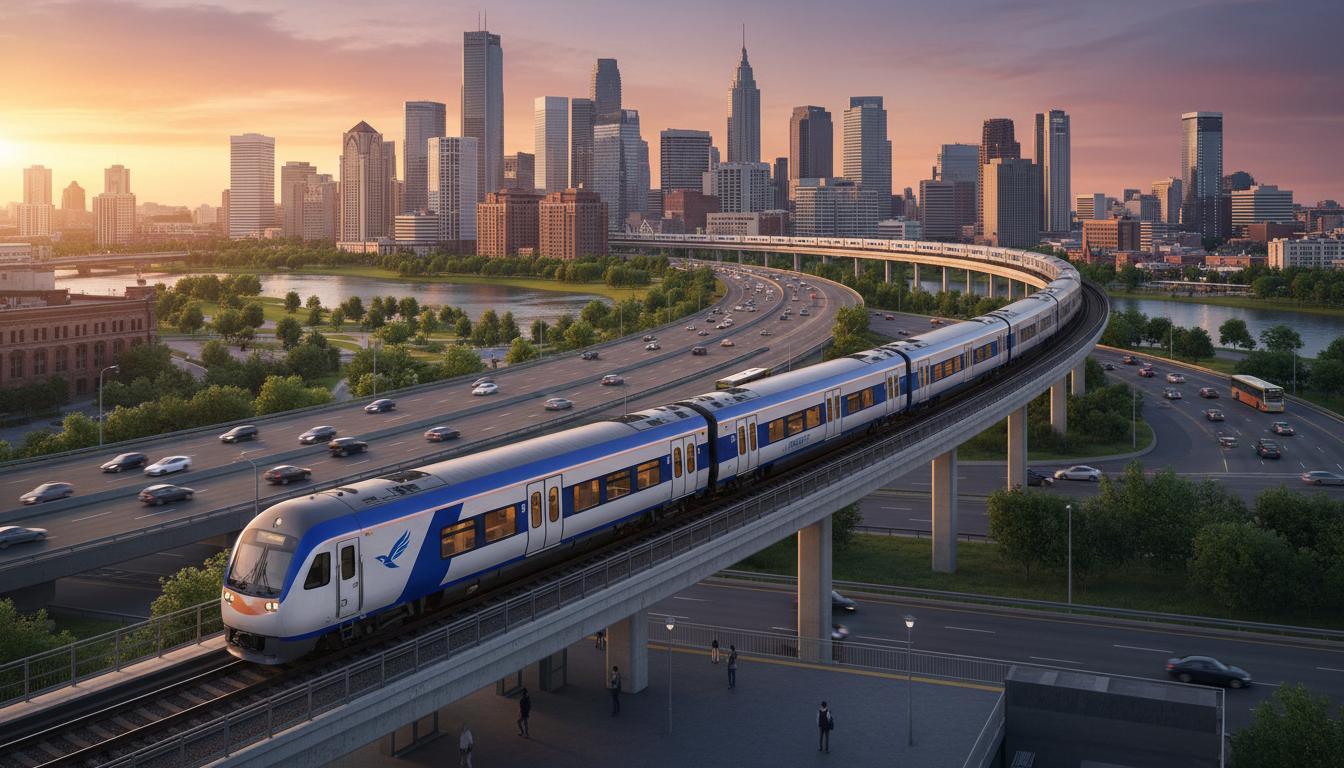
New Zealand is built for roaming. From Auckland’s harbours to Otago’s wide valleys, the country invites you to move between cities and regions. That’s where intercity travel comes in—fast, practical, and usually kinder on the wallet than driving solo. This guide explains what intercity travel means in the New Zealand context, how it works, the main options, when each one shines, and how to choose the right mode for your plans and budget.
What is
Intercity travel means moving between different cities or large towns, rather than getting around within one city. In New Zealand, intercity trips commonly use long-distance buses (including the InterCity network), scenic and regional trains, domestic flights, Cook Strait ferries, and self-drive options such as rental cars or campervans.
It’s different from local public transport. You’re crossing longer distances, with fewer stops, set departure times, booked seats, and luggage rules. The aim is straightforward: link major centres and key regional hubs reliably, whether you’re heading Auckland–Wellington for business, Christchurch–Queenstown for a getaway, or crossing the strait between Wellington and Picton.
How it works
Booking and fares
Most intercity services in New Zealand use advance booking. You pick a date, time, and seat class (where relevant), pay online, and get a confirmation to show at boarding. Prices tend to move with demand—book early for lower fares, especially over summer, Easter, school holidays, and long weekends.
Timetables and connections
Intercity buses run daily on popular routes and less often on quieter ones. Scenic trains operate on set schedules and may be seasonal. Domestic flights link main centres several times a day. Cook Strait ferries run multiple crossings daily, but weather can shift timings. If you’re planning a multi-leg trip (for example, bus to Picton, ferry to Wellington, train north), leave generous connection time in case of delays.
Check-in and boarding
- Intercity bus: Arrive 15–30 minutes early. Coaches board by destination and often use central city stops or interchanges.
- Train: Arrive 20–30 minutes before departure; seats are usually reserved.
- Ferry: Foot passengers typically check in 45–60 minutes before sailing. Vehicles need longer.
- Flight: Domestic travellers usually arrive 60–90 minutes before departure.
Luggage and extras
Long-distance buses allow one or two checked bags plus a small carry-on. Oversize items like bikes and surfboards often require pre-booking and a fee. Trains and ferries also accept larger items with conditions. Domestic flights have stricter weight limits. Always check the operator’s rules before you pack.
Onboard experience
- Buses: Reclining seats, heating/air-con, toilets, sometimes Wi‑Fi and USB power.
- Trains: Big windows, café carriage on scenic routes, commentary on tourist services.
- Ferries: Cafés, lounges, outdoor decks, and views of the Marlborough Sounds.
- Flights: Fastest way to cover long distances; limited baggage space onboard.
Accessibility and support
Most intercity providers can assist passengers with reduced mobility if arranged ahead of time. Not all rural stops are fully accessible, so confirm details when booking.
Types / examples
Intercity buses
Intercity buses connect the main spine of the country and dozens of regional towns. They’re usually the best value for money and reach places beyond the rail network. Expect direct runs between big centres (like Auckland–Wellington) and regional links (for example, Tauranga–Rotorua or Dunedin–Invercargill). Travel time is longer than flying, but you skip airport hassle and see more of the landscape.
Trains
New Zealand’s intercity rail is a mix of scenic and regional services. The famous TranzAlpine (Christchurch–Greymouth), Coastal Pacific (Picton–Christchurch), and Northern Explorer (Auckland–Wellington, on select days) are designed for views and comfort. Regional commuter-style trains such as the Capital Connection (Palmerston North–Wellington) and Te Huia (Hamilton–Auckland) operate on weekdays and selected times, useful for regular travellers between nearby cities.
Cook Strait ferries
Two operators link the North and South Islands between Wellington and Picton. Crossings take about 3–4 hours, and the Marlborough Sounds section is a highlight. Foot passengers can connect with trains and buses at both ends; vehicles can drive on board.
Domestic flights
Flights are the quickest intercity option for long routes, often under 90 minutes between major centres. Regional aircraft connect smaller cities and tourist hubs. Factor in travel to the airport, security, and baggage claim when you compare total journey time.
Self-drive and car share
Renting a car or campervan gives maximum flexibility for side trips and remote stops. It’s great for groups splitting costs, but you’ll handle fuel, insurance, parking, and one-way fees if you’re not returning to the same depot.
Pros and cons
Intercity buses
- Pros: Affordable, wide network, simple booking, central-city stops.
- Cons: Longer travel times, timetable changes in low season, limited baggage for oversize gear without pre-booking.
Trains
- Pros: Scenic, comfortable, spacious seating, good for photography and relaxed travel.
- Cons: Limited routes and departures, higher fares, may not match daily schedules.
Ferries
- Pros: Essential inter-island link, flexible for foot passengers and vehicles, memorable views.
- Cons: Weather-dependent, can sell out in peak periods, check-in times are longer.
Flights
- Pros: Fastest for long distances, frequent between main centres, competitive fares if booked early.
- Cons: Airport transfers add time and cost, baggage limits, higher emissions per passenger than bus or train.
Self-drive
- Pros: Door-to-door flexibility, ideal for remote attractions and photo stops.
- Cons: Driver fatigue on long routes, cost of fuel and insurance, parking and ferry vehicle fees.
How to use or choose
Quick decision guide
- On a budget and travelling between cities on main corridors? An intercity bus is usually best value.
- Want the journey to be the attraction? Choose a scenic train or the Cook Strait ferry.
- Short on time or crossing the whole country? Fly between major centres.
- Travelling as a group or exploring out-of-the-way spots? Consider a rental car or campervan.
Step-by-step: plan an intercity trip in New Zealand
- Map your route: note start, finish, and any must-see stops.
- Compare modes: check time, cost, frequency, and connection points.
- Check calendars: watch for NZ public holidays and school breaks when services book out.
- Book early: secure the cheapest intercity fares and preferred times.
- Add connections: align bus–ferry–train legs with buffer time for delays.
- Confirm luggage: pre-book bikes or oversize items; weigh bags if flying.
- Prepare tech: download tickets, save offline maps, pack a power bank.
- Travel day: arrive early, keep ID and booking codes handy, and stay flexible.
Tips for New Zealand conditions
- Weather swings: storms can affect alpine passes and the strait. Keep an eye on alerts.
- Daylight hours: in winter, rural stops are dark early—plan arrivals accordingly.
- Peak season: December–February is busy. Book ferries and scenic trains weeks in advance.
- Rural food stops: carry snacks and water; not every stop has a café open late.
Comparison: intercity options at a glance
| Mode | Typical time (Auckland–Wellington) | Cost | Frequency | Comfort | Carbon impact | Best for |
|---|---|---|---|---|---|---|
| Intercity bus | ~10–12 hours | $ (budget) | Daily/multiple | Moderate (reclining seats, toilets) | Lower per passenger than flying | Budget travel, central stops |
| Scenic train | ~10–11 hours (select days) | $$–$$$ | Limited schedule | High (large windows, café) | Low–moderate per passenger | Leisure trips, photography |
| Domestic flight | ~1 hour (plus airport time) | $$ (varies with demand) | Frequent | High speed; tight baggage | Higher per passenger | Time-critical travel |
| Ferry + bus/train | Cook Strait ~3–4 hours (plus legs) | $$ | Multiple daily | Comfortable lounges, views | Moderate per passenger | Inter-island trips, scenic route |
| Self-drive | ~8–10 hours driving | $$–$$$ (fuel, rental) | On your schedule | Varies with vehicle | Depends on occupancy/vehicle | Flexible itineraries, groups |
Times and costs are approximate and change with weather, season, and demand. Always check live schedules and prices before you book.
Intercity etiquette and safety
On buses and trains
- Board promptly and keep aisles clear with your bags.
- Use headphones for audio; keep calls brief.
- Carry a warm layer—air-con can feel cool after dark.
On ferries
- Secure your luggage label and keep essentials with you; you can’t access car decks in sailing.
- Go outside if you’re prone to motion sickness; fresh air helps.
On the road
- Drive to the conditions, especially on alpine passes and in winter.
- Plan fuel stops in remote areas; coverage can be patchy.
FAQ
What does intercity mean in New Zealand travel?
It refers to transport that connects different cities and large towns—typically long-distance buses (including the InterCity network), trains, ferries across Cook Strait, and domestic flights.
Is InterCity the same as intercity?
Intercity is the type of travel. InterCity is a major long-distance bus brand in New Zealand. People often use the word intercity to mean any city-to-city travel, not just that company.
How early should I book intercity buses or ferries?
For popular routes and peak seasons, book at least 1–3 weeks ahead. For long weekends and the Cook Strait, earlier is safer. Midweek in shoulder seasons, you’ll usually find seats closer to departure.
Can I take a bike on intercity services?
Often yes, but you must pre-book and spaces are limited. Buses typically require a boxed or bagged bike and may charge a fee. Ferries accept bikes easily; trains and flights have specific rules and limits—check before you go.
Do intercity buses have Wi‑Fi and power?
Many long-distance coaches offer Wi‑Fi and USB charging, but coverage can drop in rural areas. Bring offline entertainment and a power bank just in case.
What about luggage limits?
Expect one or two checked bags on buses, with a small carry-on. Trains and ferries are flexible but still have size rules. Flights enforce strict weight and size limits. Oversize or extra bags may incur fees.
Is the SuperGold Card valid for intercity travel?
SuperGold usually applies to off-peak local public transport. It is generally not accepted on long-distance commercial intercity services. Check the specific operator’s policy.
Are intercity trains daily?
Scenic trains often run on set days and can be seasonal. Regional commuter trains run weekdays. Always confirm the current timetable.
What if my intercity connection is delayed?
If you booked separate legs, you’re responsible for missed connections. Build buffer time. Some operators may assist during major disruptions, but it’s not guaranteed on separate tickets.
Which intercity option is most eco-friendly?
Buses and trains typically have lower emissions per passenger kilometre than flights or solo driving. The fuller the vehicle, the better the footprint.
Do I need ID for intercity buses?
Often not, but carry a copy of your booking. Trains, ferries, and flights may require ID. International visitors should keep passports secure and accessible.
What’s the best way to save on intercity fares?
- Book early and travel midweek if you can.
- Compare nearby departure times; small shifts can cut cost.
- Travel light to avoid baggage fees.
- Sign up for fare alerts and sales.
Bottom line
Intercity travel in New Zealand is straightforward once you match the mode to your plans. Buses keep costs down, trains turn the journey into a highlight, ferries knit the islands together, flights blitz long distances, and self-drive opens the back roads. With a clear route, an eye on the calendar, and early bookings, you’ll move across Aotearoa smoothly—and enjoy the views along the way.