
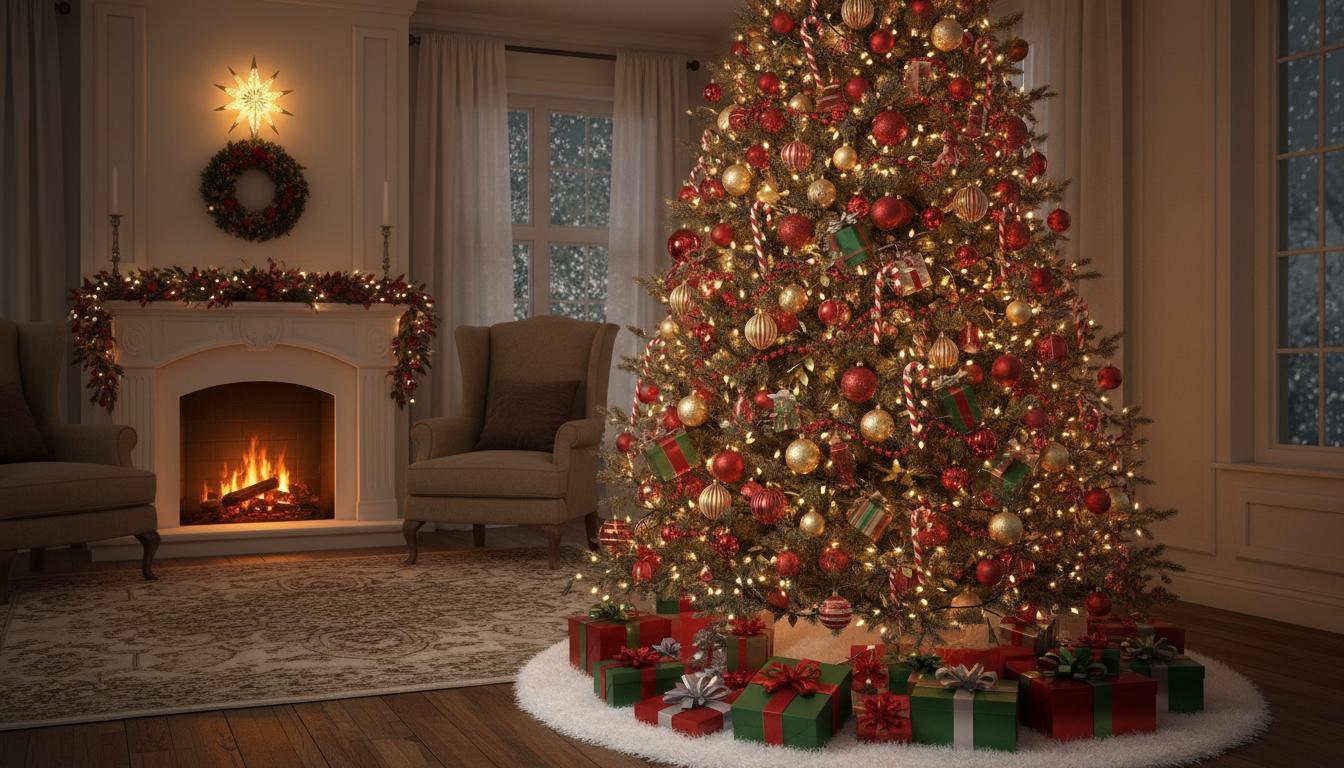
Choosing a christmas tree in New Zealand is a unique experience. Summer heat, local species and easy access to plantation-grown pines change the way Kiwis buy, care for and recycle their trees. This guide explains what a christmas tree is, how the supply and care work, the main types you’ll find here, pros and cons of each option, how to choose and care for a tree, and answers common questions.
What is a christmas tree?
A christmas tree is a decorated evergreen used during the Christmas season. Traditionally it is a conifer such as pine, fir or spruce. In New Zealand people use both imported traditions and local alternatives, including plantation pines and native flowering trees like pohutukawa as festive focal points.
Real christmas trees are either cut from plantations or sold as potted specimens. Artificial trees are usually made from PVC or PE and sold throughout the country.
How it works
Supply: In New Zealand, many christmas trees come from plantation forests. Growers harvest trees on a seasonal schedule so fresh stock is available in November and December. Some small farms offer choose-and-cut experiences.
Sales channels: You’ll find christmas trees at farm gates, weekend markets, garden centres, hardware stores and online. Many councils add special green-waste collection or drop-off points after the holiday season.
Care basics: A freshly cut tree drinks water. The trunk needs a straight cut and regular refills of water to limit needle drop and extend display life. Potted trees need different care to survive indoors or to be planted out later.
Types / examples
Here are the most common christmas tree types you’ll see in New Zealand:
- Radiata pine (Pinus radiata) – fast-growing, common, fragrant. Often used for cut trees on small farms.
- Douglas fir – a denser option with softer needles and good shape.
- Norway spruce – traditional sharp-needled tree with a classic look, less common in NZ plantations.
- Potted native alternatives – small pohutukawa, manuka or kanuka used as eco-friendly or outdoor displays.
- Artificial trees – reusable and available in many sizes and styles, from budget to premium.
Local notes
Pohutukawa is often called New Zealand’s Christmas tree because it blooms bright red in December. While not a traditional conifer, it makes a striking outdoor option.
Pros and cons
Each christmas tree option has trade-offs. Below is a concise look to help you decide.
| Type | Cost | Lifespan | Maintenance | Environmental impact | Best for |
|---|---|---|---|---|---|
| Cut real tree (Radiata/Douglas) | Low to medium | 2–6 weeks indoors | Daily watering, cooler rooms prolong life | Biodegradable, supports local growers | Traditional look, fresh scent |
| Potted tree | Medium to high | Seasonal; can be replanted | Regular watering, occasional fertiliser | Lower impact if planted out | Plant-lovers, outdoor displays, reuse |
| Artificial tree | Low to high (one-off) | Years if stored well | Minimal | Plastic-based; long use reduces impact | Allergy-friendly, indoor convenience |
| Native tree (pohutukawa/manuka) | Varies | Outdoor perennial | Typical garden care | Very low if planted locally | Outdoor or coastal properties; NZ identity |
How to use or choose
Choosing the right christmas tree depends on space, budget, environmental values and how long you want the tree to last. Use the checklist below to decide:
- Measure the space where the tree will stand, including height and width.
- Decide if you need a reusable tree or a short-term fresh scent.
- Consider allergies and household safety (pets, toddlers).
- Think about disposal—can you compost or use council green-waste services?
Step-by-step: buying and caring for a cut christmas tree
- Measure your ceiling and doorway before you shop.
- Select a fresh tree: look for green, flexible needles and a sticky trunk base with sap.
- Make a fresh cut on the trunk (about 1–2 cm) just before placing it in water.
- Use a sturdy stand that holds water and secures the tree upright.
- Place the tree away from direct sun, heaters and glass doors to reduce drying.
- Top up the water daily — a freshly cut tree can drink a litre or more a day at first.
- When the season ends, take the tree to a green-waste drop-off, shred it for mulch or compost if allowed.
Safety and longevity tips
- Check lights for damage and use LED lights that run cooler.
- Secure the tree to the wall if you have pets or young children.
- Keep water topped up to prevent needle drop and reduce fire risk.
- Consider a potted tree if you want to keep and plant it after Christmas.
FAQ
When is the best time to buy a christmas tree in New Zealand?
Late November to early December is ideal. Trees will still be fresh and you can enjoy them through the main holiday period. Buying too early in warm weather increases care needs.
How long will a real christmas tree last indoors?
With good care a fresh cut tree typically looks good for two to six weeks. Cooler rooms and regular watering extend its life.
Can I plant a potted christmas tree after Christmas?
Yes. Choose a healthy potted specimen from a reputable grower. After the holidays acclimatise it slowly to outdoors before planting in an appropriate site.
How do I dispose of my christmas tree responsibly?
Most councils offer green-waste collection or drop-offs in January. Composting or turning the tree into mulch is another option. Avoid burning unless local rules permit it.
Are artificial trees better for the environment?
Artificial trees have a higher manufacturing footprint but can be lower impact if reused for many years. Real trees grown in NZ are biodegradable and support local growers; planting and recycling reduce their footprint.
Which trees are best in coastal or dry North Island gardens?
Pohutukawa and hardy natives like manuka suit coastal North Island conditions. If you want a traditional conifer, a well-watered radiata pine or potted variety can work, but keep it shaded during heat waves.
Where can I buy a christmas tree in New Zealand?
Look for local growers, community markets, garden centres and major hardware stores. Buying locally reduces transport emissions and supports Kiwi businesses.
Final tips
Plan your tree choice around how you live. If you like the smell and ritual, buy a local cut tree and follow the care steps. If you prefer low maintenance, a quality artificial tree or a potted specimen to plant later may be best. For a distinctly New Zealand twist, use a pohutukawa or other native as your outdoor centrepiece.
Whichever option you choose, keeping safety, watering and end-of-season disposal in mind will make your christmas tree a pleasure rather than a chore. Enjoy the season—and the sight of lights and greenery in your home this summer.