
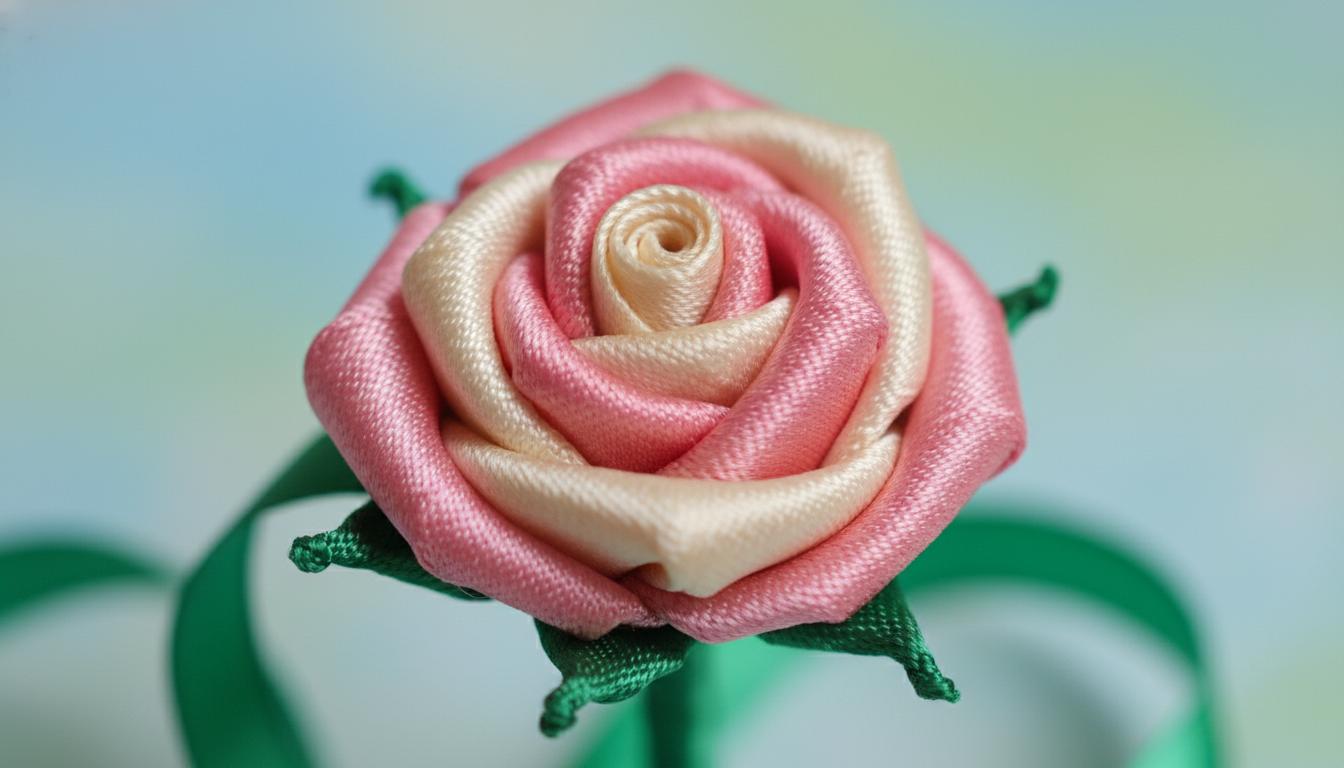
A ribbon rose looks delicate, lasts for years, and takes only a few minutes to learn. Whether you’re dressing a wedding bouquet, elevating a gift, or adding a flourish to a school ball corsage, this small craft delivers big impact. Below you’ll find what a ribbon rose is, how it works, the main types, clear pros and cons, and smart tips for choosing and using them in Aotearoa.
What is
A ribbon rose is a handmade flower formed by folding, rolling, or gathering ribbon to mimic the petals of a real rose. It’s usually secured with a few stitches or dots of glue, then attached to hair clips, garments, bouquets, or décor.
Common uses in New Zealand include:
- Wedding bouquets, boutonnieres, and flower girl baskets
- School ball corsages and hair accessories
- Gift wrapping and keepsake boxes
- Millinery, knitwear accents, and costume embellishment
- Home décor such as wreaths, cushions, and table settings
Most ribbon roses are made from satin, grosgrain, organza, silk, or velvet ribbon. Each material gives a different texture and level of shine.
How it works
Tools and materials
- Ribbon (1–4 cm wide for most roses; wider for large statement blooms)
- Needle and polyester thread (or a hot-glue gun/fabric glue)
- Sharp scissors
- Lighter or fray check to seal cut ends (test on a scrap first)
- Optional: floral wire and tape, felt circles, brooch backs, hair clips
Step-by-step: classic folded ribbon rose
- Cut ribbon. For a 3 cm-wide ribbon, start with about 45–60 cm for a medium rose.
- Seal both ends to prevent fraying (carefully singe synthetic ribbon, or use fray check).
- Make the centre. Fold the first 5–7 cm of ribbon back at a right angle and roll it tightly 2–3 turns to form a bud. Stitch through the base to hold it.
- Form petals. Continue folding the ribbon away from the centre at 45–90 degrees, then wrap it around the bud. After each wrap, add a stitch through the base.
- Build the bloom. Keep alternating fold and wrap. Slightly relax your tension as the rose grows for a natural spiral.
- Finish the base. When you like the size, fold the tail under the base and secure with several stitches or glue.
- Back it. Add a small felt circle to the base for a neat finish and an anchor point.
- Attach. Sew or glue your ribbon rose to wire, a comb, clip, sash, or bouquet handle.
Tip: Beginners find grosgrain or double-faced satin easiest. They hold shape well and hide small wobbles.
Other popular techniques
- Rolled spiral rose: No folding—just twist the ribbon and spiral it around the centre, securing as you go. Fast and soft-looking.
- Gathered (ruched) rosette: Run a long gathering stitch along one edge, pull to ruffle, then coil into a rose. Fluffy with many petals.
- Kanzashi-style petals: Cut short pieces, fold into pointed or rounded petals, then assemble into a layered rose. Precise and architectural.
- Wired ribbon rose: Use wired-edge ribbon to curve and curl petals for a lifelike bloom with strong structure.
Common mistakes and quick fixes
- Rose unravels: Add more stitches through the base, not the sides. Use stronger thread.
- Flat flower: Increase fold angles and vary petal overlap to build height.
- Fraying edges: Seal ends before starting. Choose woven (not cut-edge) ribbon when possible.
- Glue strings or blobs: Use low-temp glue for synthetics; apply tiny dots and press firmly.
Types / examples
By ribbon material
- Satin ribbon rose: Smooth, shiny, classic for bridal and formal wear.
- Grosgrain ribbon rose: Ribbed texture, matte look, sturdy for accessories and children’s items.
- Organza ribbon rose: Sheer and lightweight; ethereal for veils, fascinators, and airy décor.
- Silk ribbon rose: Luxurious drape and subtle sheen; ideal for heirloom pieces.
- Velvet ribbon rose: Plush petals with depth; perfect for winter events and millinery.
By style
- Folded rose: Defined petals, crisp edges, medium effort.
- Rolled rose: Soft spiral, quick to make, great for clusters.
- Gathered rosette: Ruffled, full bloom, forgiving for beginners.
- Cabbage rose: Oversized, layered petals; dramatic statement piece.
Where they shine in NZ settings
- Beach weddings: Grosgrain or wired-edge ribbon resists wind and holds shape.
- Garden parties: Organza and silk give a light, botanical feel without wilting.
- School balls: Satin roses on corsages and hair combs match formal attire.
- Gift-giving: A single ribbon rose elevates brown paper wrapping instantly.
Pros and cons
Advantages
- Long-lasting: Keep their shape for years with simple care.
- Customisable: Any colour, size, or texture on demand.
- Budget-friendly: Small offcuts become beautiful embellishments.
- All-season: Perfect when fresh roses are out of season or scarce.
- Lightweight: Comfortable on clothing and easy to ship.
Limitations
- Not scented: Lacks the fragrance of fresh flowers.
- Heat-sensitive: Some synthetics melt near high heat; test before ironing or sealing.
- Skill curve: Crisp, even petals take a little practice.
Comparison: ribbon types for a ribbon rose
| Ribbon type | Look/finish | Stiffness/body | Ease for beginners | Durability | Relative cost (NZ) |
|---|---|---|---|---|---|
| Satin (polyester) | Shiny, smooth | Medium | Easy | High | Low–Medium |
| Grosgrain | Matte, ribbed | High | Very easy | High | Low–Medium |
| Organza | Sheer, airy | Low | Moderate | Medium | Medium |
| Silk | Subtle sheen, luxe | Low–Medium | Moderate | Medium | High |
| Velvet | Plush, deep colour | High | Moderate | High | Medium–High |
| Wired-edge (various) | Shaped edges | Very high | Easy | High | Medium |
How to use or choose
Pick the right ribbon for the job
- Size match: Narrow ribbon (1–1.5 cm) makes tiny buds; 2.5–4 cm works for most roses; 5 cm+ for statement blooms.
- Length guide: As a rule of thumb, use 12–15 times the ribbon width to form a medium rose with visible petals.
- Fibre choice: Polyester is durable and easy to seal; silk drapes beautifully but needs gentler handling; cotton is matte and natural but can fray.
- Finish: Double-faced satin looks polished on both sides, ideal for visible backs and open petals.
- Climate note: In humid coastal areas, store ribbon roses in breathable boxes with silica gel to prevent mustiness.
Attachment methods
- Wearables: Sew to a felt base, then stitch to garments or glue onto clips and combs.
- Bouquets: Use floral wire through the base and wrap with floral tape for a secure stem.
- Décor and gifts: Hot glue onto wreaths, boxes, frames, or table runners.
Colour and style tips for NZ events
- Summer and outdoor weddings: Choose UV-stable polyester satin or grosgrain to resist fading.
- Cool-season formals: Velvet and deep-toned satin give warmth and richness.
- Corporate gifts: Neutral palettes (cream, navy, charcoal) with a single accent rose look modern and tidy.
Finishing and care
- Edge sealing: Carefully melt synthetic edges or apply a thin bead of fray check; avoid visible scorch marks.
- Shaping: Steam lightly from a distance to relax kinks; reshape petals with fingers.
- Cleaning: Spot-clean with a damp cloth; silk may require a specialist cleaner.
- Storage: Keep away from direct sunlight to prevent fading; cushion roses in tissue.
Sourcing in New Zealand
- Fabric and craft stores (including nationwide chains) carry a wide range of ribbon types and widths.
- Independent haberdashery shops often stock unique textures and remnants.
- Online marketplaces like Trade Me and NZ-based sellers on global platforms offer variety and bulk options.
- Florist suppliers provide wired ribbon and floral tape for bouquet work.
FAQ
What ribbon width is best for a ribbon rose?
For most projects, 2.5–3.8 cm-wide ribbon is ideal. It forms clear petals without getting bulky. Use 1–1.5 cm for tiny buds and 5 cm+ for large statement roses.
How much ribbon do I need per rose?
A simple rule is 12–15 times the ribbon width. For a 3 cm-wide ribbon, start with 36–45 cm for a small rose or 45–60 cm for a fuller bloom.
Can I make a ribbon rose without sewing?
Yes. Use a low-temperature hot-glue gun or strong fabric glue. Apply tiny dots at the base as you fold and wrap. Let each dot set before the next turn.
How do I stop ribbon from fraying?
Seal cut ends with a lighter (synthetics only), use fray check, or fold raw edges under at the base. Choose woven-edge ribbon for cleaner cuts.
Are ribbon roses washable?
Spot-clean is safest. Polyester satin and grosgrain tolerate gentle hand-cleaning. Silk and velvet should not be submerged; use specialist care if needed.
How do I attach a ribbon rose to a bouquet?
Stitch the base to a short piece of floral wire, wrap with floral tape, then bind stems together. For a handle wrap, glue roses onto a ribbon-covered handle and secure with extra tape beneath the wrap.
What’s the easiest style for beginners?
Grosgrain folded roses or rolled spiral roses are the most forgiving. The texture hides small errors, and the structure holds its shape.
Where can I buy ribbon in New Zealand?
Look to nationwide fabric and craft stores, independent haberdasheries, florist suppliers, and online marketplaces like Trade Me. Check product details for width, fibre, and whether the ribbon is double-faced.
How do I make a large, showy ribbon rose?
Use wide wired-edge ribbon (5–7 cm). Form a tight bud, then flare outer petals by curving the wire as you wrap. Secure the base well and add a felt back.
What colours work best for photos?
Mid-tones with a matte or semi-matte finish photograph cleanly. Very shiny white can blow out in bright sun; consider ivory satin or matte grosgrain for outdoor shoots.
Quick ideas to try today
- Cluster three small satin ribbon roses on a hair comb for a simple updo accent.
- Top a wrapped gift with a single velvet ribbon rose and a sprig of eucalyptus.
- Make a mini boutonniere with a grosgrain rose, fern, and twine for a relaxed Kiwi look.
A ribbon rose is small, versatile, and satisfying to make. With the right ribbon and a few steady stitches, you can turn simple lengths of fabric into petals that last—perfect for New Zealand’s weddings, celebrations, and everyday creativity.