
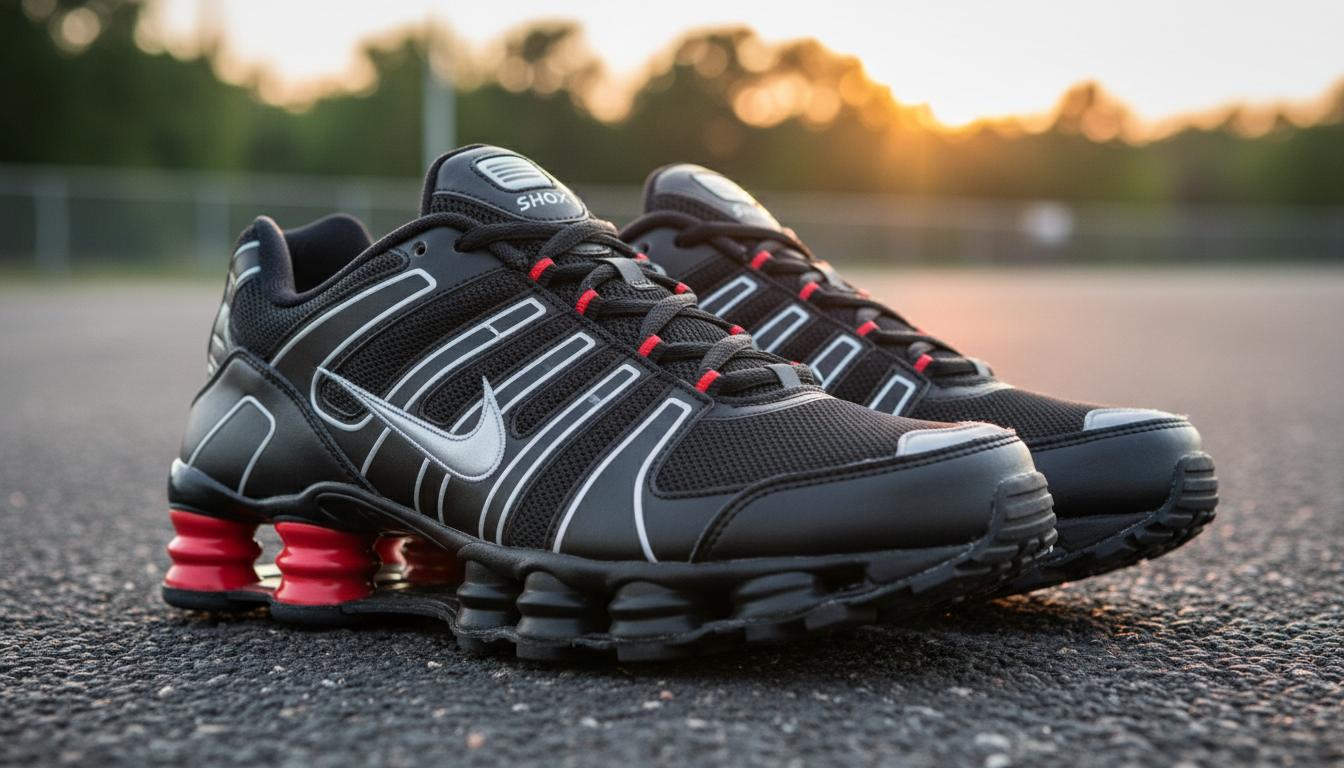
Nike Shox has a look you can spot across a busy Queen Street or on the sidelines of a Saturday footy game. Those bold columns under the heel are more than a style flex—they’re a distinct cushioning system with a loyal following in Aotearoa. This guide breaks down what nike shox is, how it works, which models to know, and how to choose a pair that suits life in New Zealand’s mix of city pavements, wet footpaths, and weekend gym sessions.
What is
Nike Shox is a family of Nike sneakers built around a visible, spring-like cushioning system made of resilient columns. When you land, the columns compress to absorb impact, then rebound to help you push off. The tech first hit big around 2000, headlined by the Shox R4 runner and the BB4 on the basketball court. Since then, nike shox has moved between sport and lifestyle, with reissues and updates keeping the look current while preserving that unmistakable “pillar” ride.
Today, most people in New Zealand wear nike shox as everyday sneakers or for light training. You’ll still see performance-inspired pairs, but the draw is equal parts comfort, heritage, and street appeal.
How it works
The magic sits under your heel (and sometimes under the forefoot): a set of hollow columns, typically made from a tough, springy plastic like TPU. On top is a firm plate that spreads your weight evenly across the columns. Around that is a conventional foam midsole and a rubber outsole for grip.
When you step down, each column compresses like a tiny piston. That controls impact. As your foot rolls forward, the columns spring back, adding a snappy feel through toe-off. The plate above the columns keeps the shoe from feeling wobbly by linking the pillars together so they move in a controlled way.
Key points:
- Impact control: The columns soak up heel strike forces on hard footpaths.
- Rebound: A noticeable “pop” on push-off, especially in models with stiffer pillars.
- Stability: The top plate and column layout help prevent side-to-side collapse.
- Durability: Hard-wearing plastics resist packing out as quickly as soft foams.
Care note for NZ conditions: grit and moisture can creep into the gaps around the columns. A quick wipe after rainy days keeps squeaks at bay and protects the rubber.
Types / examples
Nike has released many takes on Shox. These are the models New Zealanders are most likely to find in stores or via local drops:
- Nike Shox R4: The original crowd-pleaser. Sleek upper, four heel columns. Balanced cushioning and easy to wear daily.
- Nike Shox TL: Full-length columns from heel to forefoot for a bouncy, futuristic ride. Breathable mesh uppers on many colourways.
- Nike Shox BB4: The basketball classic made famous in 2000. Higher cut, supportive build, and that throwback court feel.
- Nike Shox NZ: A sporty, layered upper with multiple heel pillars. Often chosen for all-day comfort and a snug midfoot.
- Nike Shox Gravity: A modern reinterpretation with a sculpted chassis. Light, technical look with a fast-feeling rebound.
| Model | Cushioning Feel | Ride Character | Best For | Breathability | Typical NZ Price (RRP) | Availability in NZ |
|---|---|---|---|---|---|---|
| Nike Shox R4 | Moderate, springy heel | Stable, everyday | Casual wear, light gym | Moderate | NZ$220–NZ$300 | Common in seasonal drops |
| Nike Shox TL | Plush, full-length bounce | Soft yet snappy | Street style, all-day comfort | Often high (mesh) | NZ$260–NZ$340 | Occasional releases |
| Nike Shox BB4 | Firm, responsive heel | Supportive, court heritage | Lifestyle, retro hoops | Moderate | NZ$240–NZ$320 | Limited retros |
| Nike Shox NZ | Supportive, cushioned heel | Secure, snug midfoot | Work days, urban walking | Moderate | NZ$220–NZ$300 | Varies by retailer |
| Nike Shox Gravity | Light, quick rebound | Lively, modern | Smart-casual, travel | High (engineered mesh) | NZ$240–NZ$320 | Occasional |
Prices reflect typical NZ RRPs and can vary by colourway and timing. Sales and limited editions may sit outside these ranges.
Pros and cons
- Pros
- Distinctive cushioning that mixes impact protection with rebound.
- Durable underfoot setup that handles regular city walking.
- Iconic design with strong wardrobe versatility.
- Stable heel for gym machines and short conditioning sessions.
- Cons
- Heavier than modern foam runners, so not ideal for long-distance running.
- Columns can collect grit; occasional cleaning helps prevent squeaks.
- Some models run snug; wide feet may need to size up or choose specific lasts.
- Limited grip on slick, mossy paths—watch your step after a downpour.
How to use or choose
Step-by-step: picking the right nike shox in New Zealand
- Define your main use. Daily commuting? Gym circuits? Streetwear? Match the model to your routine.
- Choose your ride. Prefer classic and balanced? Try the R4. Want maximum bounce? Look at the TL. After retro hoops style? BB4.
- Check fit. Try on late in the day when feet are slightly swollen. Aim for a thumb’s width in front of the big toe.
- Test stability. Walk, pivot, and take a small hop. The heel should feel centered without rolling outward.
- Consider breathability. If you run hot or live up north where summers are humid, look for mesh-heavy uppers (often on TL and Gravity).
- Account for wet weather. A beefier rubber outsole and regular cleaning help if you’re often on damp pavements.
- Verify authenticity. Buy from trusted NZ retailers or the official store. Check box labels, stitching, and the firmness of the columns.
- Budget smart. Watch seasonal sales or outlet drops. Limited colourways move fast—set alerts and act quickly.
Sizing and fit tips for NZ buyers
- Nike generally uses US sizing in New Zealand listings. Compare your current Nike size across models for consistency.
- Many nike shox models run true to size, but some feel snug in the midfoot. Wide-footed wearers may prefer half a size up.
- Women converting from men’s sizes: subtract roughly 1.5 from the men’s US size to get the equivalent women’s size (fit varies by model).
Use cases
- Everyday wear: R4 and NZ pair well with jeans or track pants and cushion long walks through the CBD.
- Gym and circuits: Shox stability helps for machines, sled pushes, and short intervals. For heavy barbell lifts, a flatter shoe may be better.
- Short runs: You can jog a few k’s, but for regular running, modern foam trainers are lighter and smoother.
- Travel: TL and Gravity offer step-in comfort for long airport moves and city sightseeing, with easy wipe-down after light rain.
Buying in New Zealand
- Where to look: Major sports retailers, sneaker boutiques, and the official Nike online store for NZ.
- Pricing: RRPs typically sit between NZ$220 and NZ$340, depending on the model and drop.
- GST and imports: Local stores include 15% GST. For overseas orders, many sellers collect NZ GST at checkout on lower-value items; larger orders may incur extra border charges.
- Returns: Check each retailer’s policy—especially for limited releases or outlet purchases.
Care and maintenance
- After wet walks, pull the insoles out and air dry away from direct heat.
- Brush out grit around the columns to prevent squeaks and wear.
- Use a mild soap solution and a soft brush for the upper; spot clean leather and synthetic overlays.
- Rotate pairs if you wear nike shox daily; foam and rubber last longer with rest days.
How to clean nike shox (quick method)
- Remove laces and insoles.
- Dry-brush dirt from the outsole and around the columns.
- Mix mild soap with warm water; dab the upper with a soft cloth.
- Use a toothbrush to reach between pillars and along seams.
- Rinse cloth, wipe off residue, and pat dry with a towel.
- Air dry at room temperature; re-lace once fully dry.
Spotting fakes
- Check the product code (SKU) on the box and inside tag—these should match and correspond to the colourway.
- Feel the columns: they should be firm, uniform, and neatly bonded to the plate.
- Inspect stitching and logos for clean edges and correct positioning.
- Be wary of prices far below typical NZ retail without a clear reason.
FAQ
Are nike shox good for running?
They can handle short runs, but they’re heavier and less flexible than modern running shoes. For regular training, a dedicated running model will feel smoother and lighter.
Do nike shox fit true to size?
Often yes, but some models feel snug through the midfoot. If you have wide feet, try a half size up or test in-store.
How long do the columns last?
With casual wear, the pillars and plate are quite durable. Outsole rubber typically shows wear first. Rotate pairs and clean grit to extend life.
Can you replace the Shox columns?
No. The columns and plate are part of a fixed unit and aren’t user-serviceable.
Do nike shox squeak?
Sometimes, usually from trapped moisture or grit. Cleaning between the columns and letting the shoe dry fully often solves it.
Are nike shox good for the gym?
Yes for machines, circuits, and general conditioning. For heavy squats or deadlifts, a flatter, firmer shoe gives better ground feel.
Are they supportive for flat feet?
They provide stable heel cushioning, but arch support varies by model. If you use orthotics, check fit and insole depth.
Where can I buy nike shox in New Zealand?
Through major sports retailers, select sneaker boutiques, and the official Nike NZ online store. Limited colourways drop periodically.
Are nike shox unisex?
Many releases are unisex or come in both men’s and women’s sizing. Always confirm the size chart before buying.
Will nike shox be discontinued?
Nike cycles models in and out. Classic pairs like the R4, TL, and BB4 return in waves, often in new colours.
How do nike shox compare to modern foam shoes?
Shox offers a springy, stable heel feel with standout style. Foam trainers are lighter and more flexible for long runs. It comes down to use and preference.
Bottom line
Nike Shox blends nostalgic design with a cushioning feel you won’t mistake for anything else. For New Zealanders who split time between city streets, weekend errands, and the gym, models like the R4 and TL tick a lot of boxes. Choose the ride and fit that suit your day, keep them clean after rainy walks, and they’ll deliver that signature spring every step of the way.