
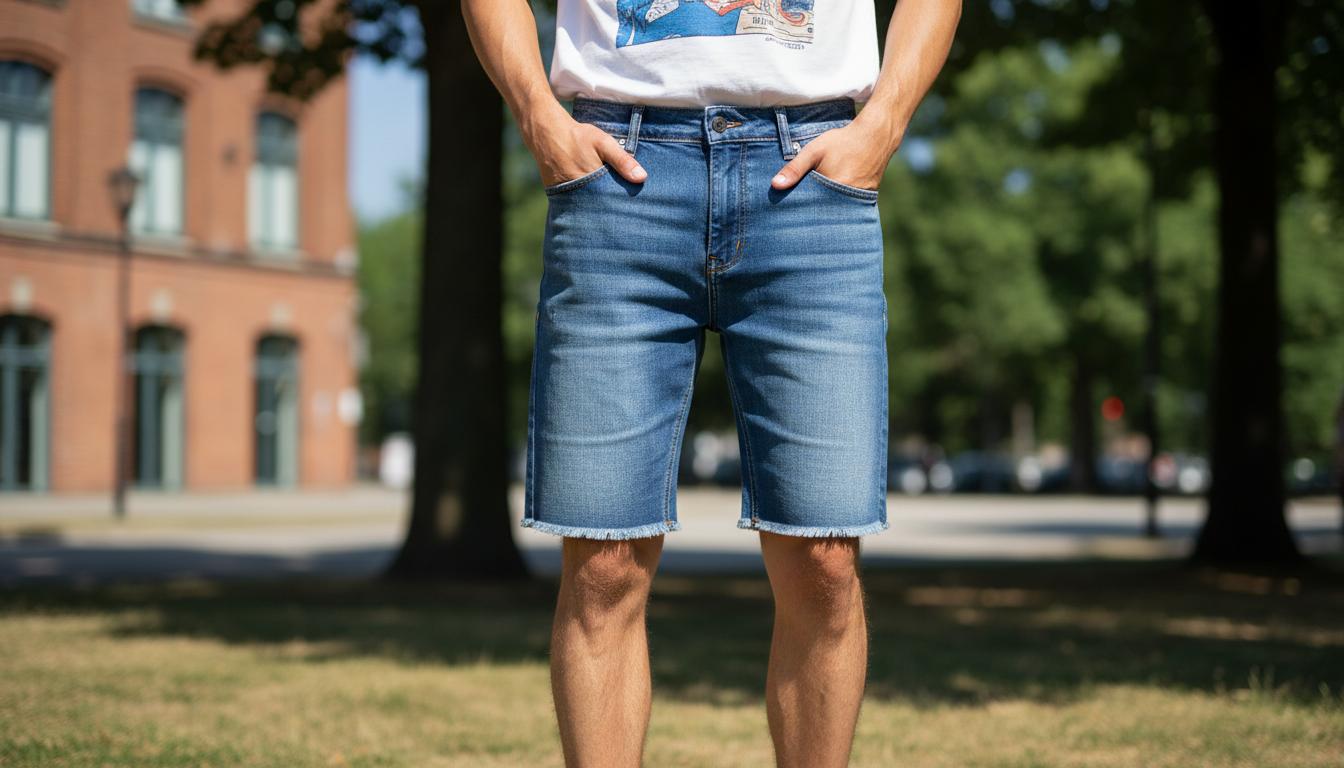
Sun on your shoulders, sand in the car, a chilly bin rattling in the boot—some days in Aotearoa call for clothes that just get on with it. Jorts, the humble denim shorts, do exactly that. They’re sturdy, easy to style, and oddly versatile, whether you’re running to the dairy, biking along the waterfront, or lighting the BBQ at the bach. This guide breaks down what jorts are, how they work, the best types for New Zealand’s climate and lifestyle, how to choose or make your own, and quick answers to common questions.
What is
Jorts are shorts made from denim. They can be cut from old jeans (classic cut-offs) or sewn as purpose-made denim shorts with finished hems. The word blends “jeans” and “shorts,” and the style ranges from slim and tailored to baggy, skater-length silhouettes. In New Zealand, you’ll see jorts from December beach days to spring festivals, often paired with tees, rugby tops, hoodies, and jandals or sneakers.
Key idea in one line: jorts = denim shorts that balance durability with casual style.
How it works
Denim is a twill weave cotton fabric (often with a touch of elastane). That weave gives jorts their structure, abrasion resistance, and familiar texture. Here’s what that means in practice:
- Fabric weight: Most jorts use 10–14 oz denim. Lighter weights breathe well in summer; heavier denim holds its shape, useful for longer cuts.
- Stretch vs rigid: 1–2% elastane gives comfort on the bike or when crouching at the campsite. Rigid cotton denim ages beautifully and stays crisp but needs a bit of break-in.
- Rise and inseam: Mid to high-rise stabilises the waist and avoids hitching. Inseams around 13–20 cm suit most casual wear; longer skater jorts often run 23–28 cm, finishing at or below the knee.
- Breathability: Cotton denim breathes, but less than linen or mesh shorts. On muggy Northland days, go lighter weight or aim for a looser fit.
- Pockets and hardware: Five-pocket layouts carry phone, keys, and sunnies. Reinforced rivets extend life—handy for DIY days and festival weekends.
Because denim softens with wear, jorts tend to mould to your body. Wash sparingly to protect colour and minimise shrinkage; spot clean and air out between wears. In cooler months, toss on a sweatshirt and socks with trainers. They still work.
Types / examples
Classic cut-offs
Old jeans trimmed into shorts. Frayed hems, DIY vibe, each pair unique. Great for beach trips, gardening, or painting the sleepout.
Tailored denim shorts
Factory-finished hems, cleaner lines, often slightly tapered. Easy to dress up with a button-up shirt and leather sandals for casual dinners out.
Baggy or skater jorts
Longer, looser, sometimes hitting the knee. Works with oversized tees, rugby jerseys, and skate shoes around town.
Slim mid-length jorts
Streamlined without being tight. A safe everyday option—throws on with a tee, cap, and low-top sneakers for errands.
High-rise or “mum” jorts
Defined waist, relaxed leg. Comfortable, flattering with tucked tees or cropped knits. Add a belt for polish.
Workwear and carpenter jorts
Heavier denim, utility pockets, hammer loops. Tough and practical for projects, markets, or when you need extra pocket space.
Colour variants
Beyond indigo: black jorts for a sharper look, white for crisp summer outfits, washed blues for vintage mood, earthy dyed denim for a softer finish.
Pros and cons
- Pros: Durable, timeless, easy to pair with existing wardrobe, pockets carry everyday bits, suits casual NZ dress codes, can upcycle old jeans, ages well with wear.
- Cons: Warmer than ultra-light shorts on humid days, slower to dry after a swim, stiff when new if rigid denim, can feel heavy in your daypack on long hikes.
How to use or choose
Fit and length by activity
- Beach and bach: Go looser and lighter-weight. A 13–17 cm inseam keeps things breezy and moves easily from the sand to the dairy.
- City errands and casual Fridays: Mid-length tailored jorts with a finished hem. Add a belt and clean sneakers.
- Cycling around town: A touch of stretch (1–2%) and a mid-rise to avoid waistband digging. Slight taper so fabric won’t catch your chain.
- Festivals and gigs: Baggy or skater jorts with sturdy pockets. Black denim hides dust and grass stains.
- DIY and weekend projects: Workwear jorts with reinforced stitching. Choose darker washes to mask scuffs.
Wash, colour, and fabric picks for New Zealand
- South Island spring/windy days: Mid-weight denim holds structure under a breeze. Add a merino tee up top.
- Upper North Island humidity: Lighter denim or looser cuts for airflow. Washed blues and ecru read summery.
- Year-round versatility: Mid-wash indigo jorts in a regular fit cover most bases, from school runs to weekend markets.
Sizing tips
- Try sitting, squatting, and a quick stair climb. If the rise pinches or the leg pulls, go up a size or add stretch.
- Between sizes? Remember rigid denim relaxes about half a size with wear; stretch denim relaxes faster.
- Hem hits: above the knee elongates the leg; at the knee gives a skate vibe; well below the knee can look heavy unless balanced with a roomy top.
Make your own: DIY cut-off jorts
- Pick jeans you love from your wardrobe or an op shop. Ensure the waist fits.
- Put them on, mark your ideal length with chalk or a pin. Add 2–3 cm for fray.
- Lay jeans flat. Align the hems and seams so both legs match.
- Cut one leg at a slight angle following the natural leg opening.
- Fold the jeans and use the first cut as a template for the other leg.
- Test the length. Trim in small increments—easy to take more, impossible to add back.
- Fray by rubbing the edge with sandpaper or washing; or double-fold 1–2 cm and stitch for a clean hem.
- Wash cold, air dry. Wear in and adjust if needed.
Comparison: jorts vs other common NZ shorts
| Short type | Best for | Fit & fabric | Pros | Cons | NZ use case |
|---|---|---|---|---|---|
| Jorts (denim shorts) | Everyday wear, casual outings, festivals | Cotton denim, rigid or stretch; mid to long inseams | Durable, stylish, good pockets, ages well | Warmer in humidity, slow to dry | Weekend markets, road trips, BBQs |
| Chino shorts | Smart-casual events | Light twill cotton, cleaner silhouette | Breathable, easy to dress up | Less rugged, stains show | Casual Fridays, dinners out |
| Boardshorts | Beach and surf | Quick-dry synthetics, long inseams | Fast-drying, light | Limited pockets, sporty look | Piha, Mount Maunganui, Rāhui-bound beaches |
| Cargo shorts | DIY, light hiking | Sturdy cotton with multiple pockets | Storage, practical | Can look bulky | Hardware store runs, campsite setup |
| Athletic shorts | Training, runs | Breathable knits or mesh | Very light, stretchy | Not dressy, minimal pockets | Gym, lunchtime jogs |
Outfit ideas that work across Aotearoa
- Mid-wash jorts + striped tee + canvas sneakers for a ferry ride or market morning.
- Black jorts + white button-up + leather sandals for a tidy casual dinner.
- Baggy jorts + rugby jersey + skate shoes for city wandering.
- Cut-offs + singlet + jandals for a beach afternoon, hoodie ready for the southerly.
FAQ
Are jorts in fashion right now in New Zealand?
Yes. The 90s and Y2K revival brought back longer, looser silhouettes, and classic mid-length denim shorts never really left. From regional towns to inner-city cafes, you’ll spot jorts across ages and styles.
What inseam length should I choose?
For everyday wear, start around 15–20 cm above the knee. Go shorter (13–15 cm) for beach and sportier looks, longer (23–28 cm) for skater or workwear vibes. Balance inseam with your height and preferred shoes.
Rigid or stretch denim—what’s better for jorts?
Rigid denim wins on character and durability. Stretch (1–2% elastane) is comfier for cycling and long days out. If unsure, pick a mid-weight denim with a touch of stretch.
Can I wear jorts to work?
In relaxed offices or creative roles, yes—choose tailored jorts in a darker wash, add a belt and a collared shirt. Many NZ workplaces still expect chinos or trousers, so check the dress code.
How do I stop my jorts from fraying too much?
For cut-offs, sew a straight stitch 5–7 mm above the raw edge or apply fray-stopping liquid. Washing in a laundry bag slows fray; line drying preserves the edge.
What shoes go best with jorts?
Sneakers, sandals, jandals, boat shoes, or desert boots. For longer jorts, chunkier sneakers balance the proportion. For slimmer mid-length pairs, low-profile trainers look clean.
How often should I wash denim shorts?
Only when needed. Spot clean and air between wears. When washing, turn inside out, cold cycle, mild detergent, then line dry. This keeps colour, shape, and hardware intact.
Will jorts shrink?
Cotton denim can tighten slightly after the first wash, then relax with wear. Stretch denim rebounds faster. Cold wash and air dry to minimise shrinkage.
Are second-hand or vintage jorts worth it?
Absolutely. Op shops and reselling platforms in NZ are great for upcycling jeans into jorts or finding vintage washes with real character. It’s budget-friendly and reduces waste.
Can I swim in jorts?
You can, but they’ll get heavy and dry slowly. For dips off the rocks or a quick jump off the wharf, boardshorts are better. Save jorts for picnics, walks, and post-swim hangs.
What colours are the most versatile?
Mid-wash indigo is the all-rounder. Black works for tidier outfits and night events. Washed light blue reads summery and relaxed. White pops with bright tops and tans but needs more care.
How do I avoid the “stuffed pockets” look?
Prioritise flat items: slim wallet, keys on a small ring, phone in the front pocket. If you’re carrying more, add a small crossbody bag and keep the jorts’ silhouette clean.
Final tips for New Zealanders
Pick jorts that match your day-to-day life: a reliable mid-wash pair for the weekly grind, cut-offs for the beach bag, and a darker tailored option for dinners and gigs. Keep the fit comfortable, the inseam practical, and the wash simple. With a couple of well-chosen pairs, you’ll cover most sunny days from Tāmaki Makaurau to Ōtepoti without overthinking your outfit.